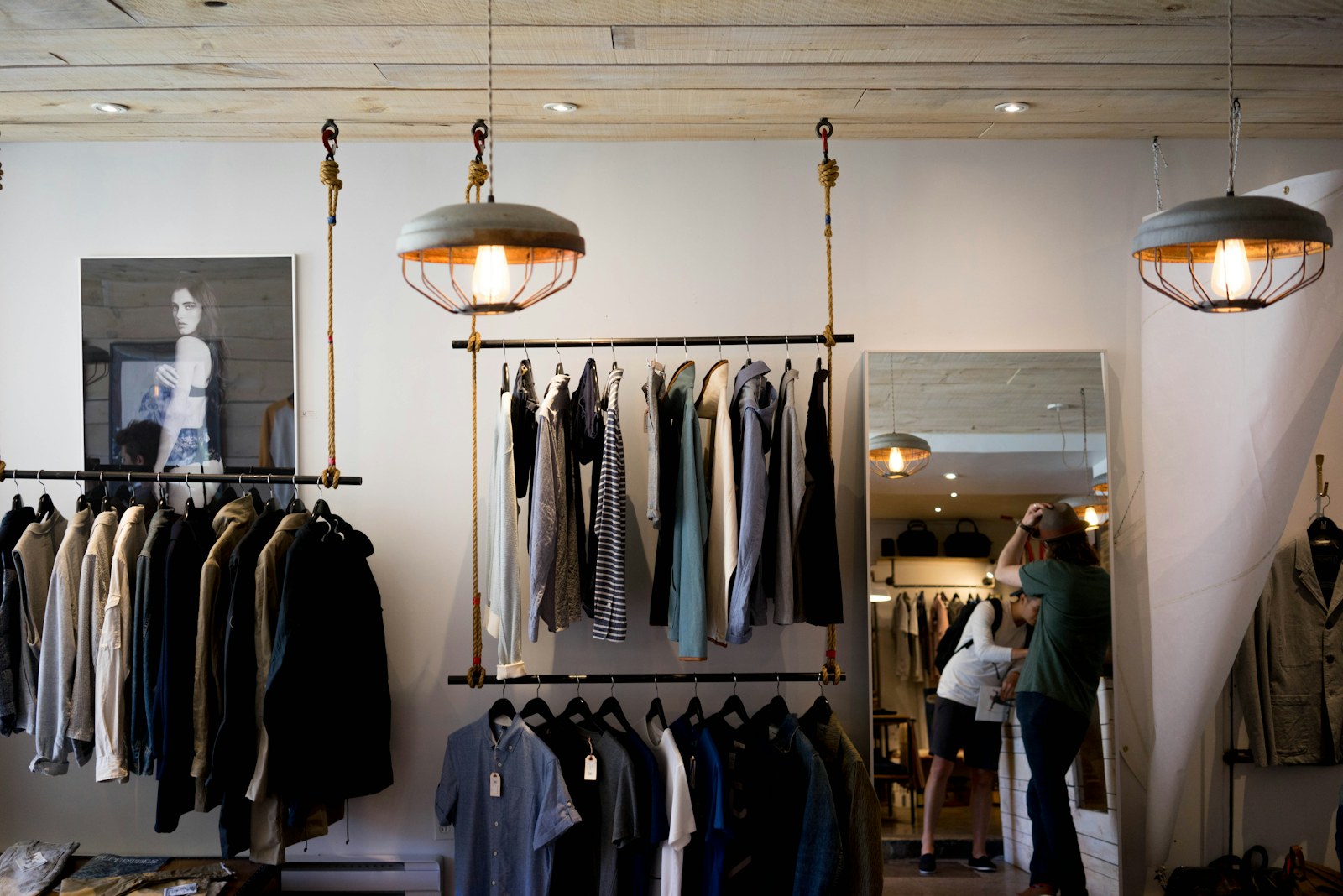
A founder-led vintage streetwear brand on Shopify. This is how iExcel built the ecommerce growth foundation — SEO, paid social, Google Shopping, and a repeatable drop playbook.

Vintage streetwear is a taste market. The buyer knows the fabric, the wash, the era, and the silhouette — and knows within seconds whether a listing is worth their time. The seller has to move at drop speed: sneak peeks on Stories, waitlists that convert, a Shopify that doesn't drop the sale, and paid social that recycles buyers back to the next drop before the current one is even cold.
Abstract by Jules is that kind of brand. Founder-led. Small team. A Shopify storefront, an Instagram audience earned one flatlay at a time, an email list built off checkouts and waitlists, and a Google Merchant footprint that had never been properly stood up.
When iExcel picked up the engagement, the surface area was broad. Paid social running against a shallow audience layer. Google Shopping half-configured. Product-page SEO written for humans, not queries. A Shopify catalog leaking sales credit to an off-site marketplace app. None of it was broken. All of it was under-built for what the brand was already selling.

The engagement opened with a full-funnel audit — the kind that puts every channel on the same table so leadership can see what's under-built versus what's under-spent. Market and competitor research on the vintage-streetwear vertical. An organic-search opportunity read that surfaced non-branded queries the site was invisible against. An organic-social read that separated the posts that pulled followers from the posts that filled a grid.
Paid social performance got pulled apart by placement, objective, and audience. Email was scored on list health, segmentation, and lifecycle coverage. GA4 and the Shopify ecommerce reports got reconciled against each other, because they almost never agree out of the box. Shopify itself — orders, inventory posture, product margins — got a read that most agencies never touch and no marketing agency should skip.
The output was one prioritized roadmap: every recommendation ranked by impact, expected lift, and effort to ship. Not a laundry list — a queue the founder could execute against without a strategy debate every Monday.

Non-branded discovery is where vintage streetwear either compounds or stalls. Buyers don't type "Abstract by Jules" into Google — they type "cream boucle hoodie," "rust corduroy jacket vintage," "brown velour sweatshirt." The site was earning branded traffic, but the product pages were writing titles that read like fashion tags and not like queries.
The SEO reset started with an SEO health audit and a keyword planner cut against the vintage-streetwear vertical: non-branded terms across hoodies, product types, colors, fabrics, and styles. Sitemap and product-page recommendations followed. Backlink and directory research ran in parallel, with a targeted DoFollow directory and marketplace list scoped for outreach. Competitor keyword and sitemap analysis benchmarked what the surrounding brands were ranking against.
The centerpiece was a product-naming framework the founder could run without an SEO in the room: color + fabric or material + product type. Every future SKU gets named against the same three slots. Every product page starts life optimized for the query the buyer is already typing.
The buyer's first filter. Search-friendly names, not fashion codes.
The tactile query — the word the buyer types when they already know what they want.
The category term Google indexes against. Never a style name in isolation.
Founder-led fashion runs on drops. Every drop is a compressed campaign — sneak peek, waitlist, launch, retarget — and every stage has to be tuned to the audience that's already warm from the last one. The playbook below is the repeatable shape iExcel and the brand ran together: four stages, each with a channel, a signal, and a next-step.
Stories-first tease. Fabric close-ups, silhouette hints, the "you'll want to see this" beat.
Signal capture. Klaviyo or Shopify Email sign-ups against the sneak-peek audience. Buyers self-identify before the drop hits.
Drop day. Meta sales campaigns fire against the waitlist LAL. Google Shopping picks up the non-branded intent. Email drops in staggered waves.
Post-drop compounding. Cart abandoners, product-page viewers, and past purchasers loop back for restock alerts and the next drop's sneak peek.

Paid social got rebuilt against the funnel, not against the placement. TOFU prospecting ran on IG feed and Stories with streetwear-interest and lookalike targeting seeded off actual purchasers — not off page-likers, not off "engaged 365." MOFU retargeting pulled product-page viewers and add-to-carts back through offsite conversion campaigns tuned to the drop calendar. BOFU ran against past purchasers and waitlist opt-ins with restock and new-drop creative.
Creative got tested in matched sets — flatlay vs. on-model, Stories-native vs. feed-native, founder voiceover vs. static. Every winner got scaled against the same audience it won on; every loser got killed before it burned through its budget. Black Friday ran as a compressed version of the same playbook — waitlist warmed weeks in advance, drop-day creative pre-cut, retargeting audiences pre-built.
The point wasn't clever creative. The point was a paid-social account that behaved like a system — where every drop had a plan, every audience had a segment, and every dollar had a place to go.
Google Merchant Center is where founder-led ecommerce brands lose the most quiet money. Feeds break. Product data is incomplete. Shop.app takes conversion credit that belongs to the store. The Google layer looked live from the outside — but the plumbing was under-built.
iExcel stood the layer up. Merchant Center setup and ownership transition to the brand. Shopify-to-Google integration wired end-to-end. Product feed diagnostics against Google's actual requirements. Search Ads drafted in Google Ads Editor and staged for launch. Google Shopping readiness against the drop calendar. Display and retargeting planned against the same audience layer Meta was already firing against.
The operational win was the one nobody in the founder's inbox was going to fix on their own: 63 Shopify products were failing to publish to Google Shop because they were missing required product data — GTIN, brand, condition, correct category, image spec. We fixed the data at source in Shopify, republished the feed, and watched the disapproved list clear. Separately, we caught and closed a Shop.app tracking issue that had been quietly siphoning conversion credit away from the storefront.
Products republished to Google Shop after the source-data fix in Shopify. The feed the storefront had been invisible against — no longer invisible.
Email is the audience the founder actually owns. It's also the audience that carries the drop calendar between paid pushes. The lifecycle work covered the shape you'd expect for a Shopify DTC — welcome, waitlist, browse-abandon, cart-abandon, post-purchase, restock, and drop broadcasts — plus the deliberate segmentation you need to keep a founder-led list from getting punished for over-sending.
Audience monetization was the layer above the flows. Segments were cut by buyer behavior (past drop purchasers, waitlisters who converted, waitlisters who didn't, browse-only) and by product affinity (color, fabric, silhouette) so the next drop's teaser landed in the inbox of the audience most likely to act on it.
Marketplace expansion opened a second front. The DoFollow directory and marketplace research from Chapter 03 fed directly into a marketplace shortlist — the vintage-streetwear-adjacent platforms where the brand's inventory could stand up next to the surrounding category without cannibalizing the storefront. Own the list. Expand the shelf. Keep the drop calendar central.

If you're running a founder-led fashion or vintage streetwear brand on Shopify — and you're staring at a Meta account that's burning budget on a shallow audience layer, product pages written for humans instead of queries, a Google Merchant Center that's been "set up" but never audited, and a drop calendar that has no repeatable operating system underneath it — the Abstract by Jules engagement is the shape of what to do about it.
Audit first. Name against the query. Build the drop as a system. Fix the feed at source. Keep the buyer in the retargeting pool. Own the list. Expand the shelf.
The founder's edge is taste and cadence. iExcel's job is to build the growth plumbing underneath so both of those things get to compound instead of getting spent on the last fire that broke on Shopify.

Nothing above holds up without a stack the founder and the small team can actually operate. This is the layer that stayed on — from audit through drop calendar.
Storefront, catalog, inventory, orders, margins. Product data normalized so the Google feed and marketplace listings inherit clean fields.
Ownership transitioned to the brand. Shopify-to-Google integration wired. Product feed diagnostics fixed at source in Shopify.
Search Ads drafted in Google Ads Editor. Google Shopping readiness against the drop calendar. Display and retargeting planned against the same audience layer.
TOFU prospecting on streetwear-interest and purchaser LAL. MOFU retargeting on product-page views and ATC. BOFU on past purchasers and waitlist opt-ins.
Reconciled against Shopify ecommerce reports. Source attribution wired to the buyer journey — no drop lands without a working measurement footprint.
Conversion events, remarketing tags, and offsite conversion pixels routed through GTM. Every drop inherits the tag map before creative ships.
Welcome, waitlist, browse and cart abandon, post-purchase, restock, and drop broadcasts. Segments cut by buyer behavior and product affinity.
Non-branded keyword research across colors, fabrics, and product types. Sitemap and product-page recommendations. Competitor benchmark and directory research.
DoFollow directory and vintage-streetwear-adjacent marketplaces scoped for expansion. Second-front shelf without cannibalizing the storefront.

A Shopify you can trust. A Google feed that actually publishes. A Meta account that behaves like a system, not a spend account. Book a 15-minute sanity check on your setup — we'll tell you what's under-built and what to do about it.
Book a 15-min sanity check →