A pre-launch consumer mobile brand — eSIM carrier for a niche audience. This is how iExcel built the acquisition and lifecycle machine — waitlist to beta to public launch, wired end-to-end.
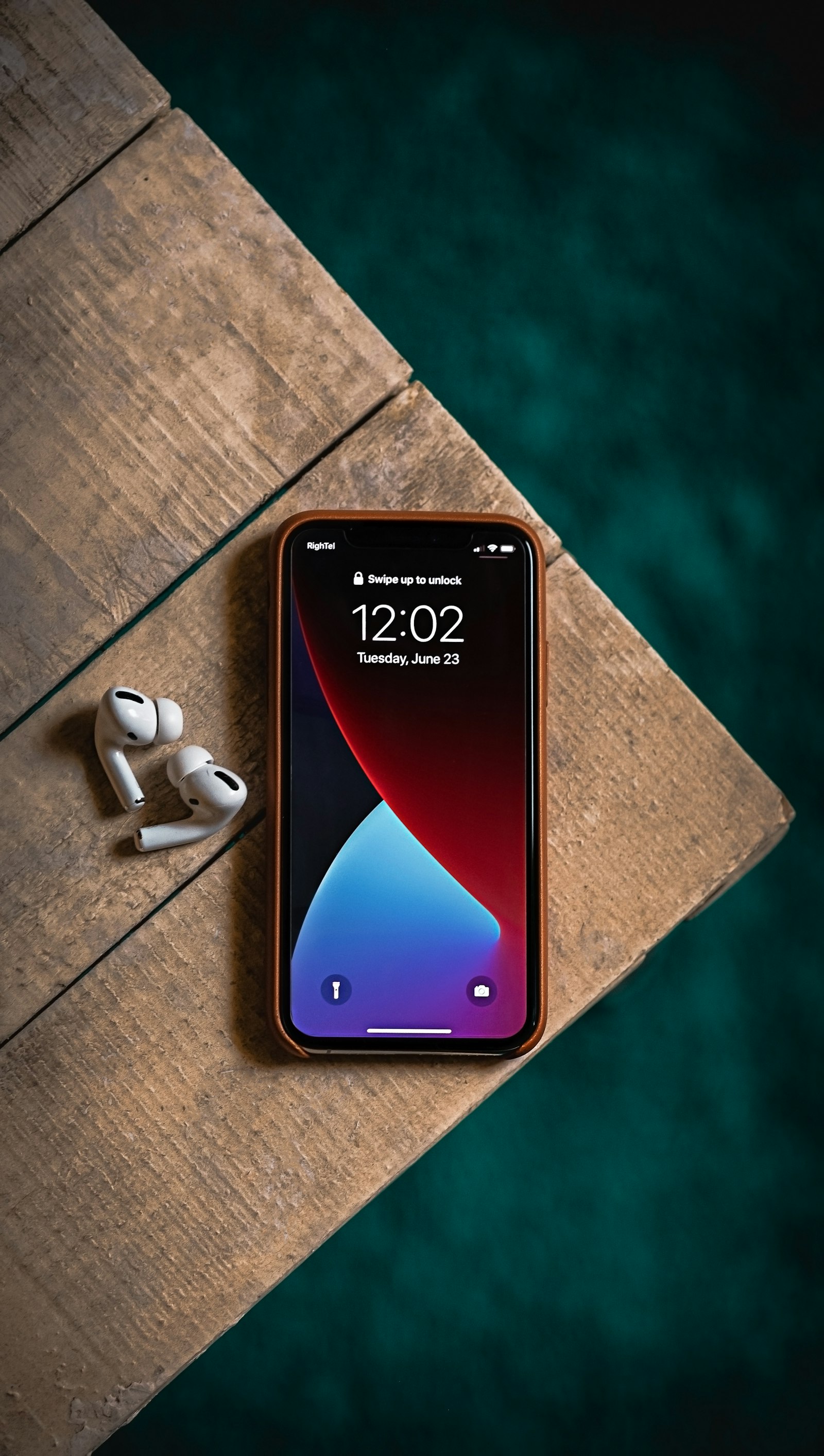
Consumer mobile is not a category that forgives soft launches. The buyer decides on a device screen, in a moment of attention, and either activates or drops out. Between click and connected line, the funnel has to survive waitlist capture, device compatibility, checkout, KYC, plan selection, and eSIM activation — each with its own drop-off pattern, each measured differently, each easy to break.
Noble Mobile is a pre-launch consumer mobile brand — an eSIM-first carrier for a niche audience — coming to market against a category dominated by incumbents with billion-dollar ad budgets and every MVNO in between. The moat isn't spend. It's a tight, well-timed acquisition and lifecycle engine wrapped around an audience that already trusts the brand.
When iExcel picked up the engagement, the roadmap was clear but the infrastructure wasn't. Waitlist forms without a downstream CRM. Paid social with no conversion mapping. Referral mechanics on the whiteboard. Analytics that could tell you "someone visited" but not "who converted." What Noble needed wasn't a campaign. It was a launch engine.

Every consumer launch has the same false start: pick the flashiest tools, then discover mid-launch that the CRM can't talk to the billing system, or that the email platform doesn't segment on subscription events. We ran platform selection before we wired a single trigger.
The lifecycle stack landed on Customer.io — event-driven, segment-native, and comfortable with the granular subscriber signals a mobile carrier generates (waitlist opt-in, device compatibility check, checkout intent, KYC state, activation, referral share, plan change). Alongside it, we architected against a mobile-carrier email platform for the transactional and account-lifecycle flows the carrier back-end needed — activations, port-in status, plan updates, billing notices.
The split wasn't cosmetic. Customer.io owns the marketing lifecycle — the acquisition, nurture, and referral flows. The carrier platform owns the operational lifecycle — the messages a subscriber needs from their carrier, not from marketing. Two systems, one subscriber record, no crossed wires.
The build got its first real test on launch day. The opt-in broadcast — the first message the new lifecycle system ever sent, to a list with zero prior sending history — posted a 30.5% open rate and a 12.0% click-to-open rate, with no spam complaints. That's the signal an event-driven system is wired correctly before a single paid dollar has to prove it.

The signature move of a pre-launch consumer brand is the referral loop. Not the "invite a friend for a token credit" version — the version where the waitlist ranks, the invites unlock, the beta converts, and the activated subscriber earns a referral asset they actually want to share. We built it on Viral Loops, sitting on top of the Customer.io event layer.
Capture on a landing page tuned for the niche audience. Device compatibility check inline. Position on the list surfaced to the user — the queue is a signal, not a secret. Every signup fires a Customer.io event, tagged with source, medium, and referral origin.
Invite waves released against list rank and device eligibility. Beta cohort onboarded with a tight, scoped flow — checkout, KYC, eSIM activation — every step measured and remarketed against for anyone who stalls. Feedback loops fired back into product.
The moment the eSIM provisions and the line goes live. Customer.io transitions the subscriber into the retention lifecycle. The carrier-native platform picks up the operational flow — port-in status, plan confirmations, first-bill orientation. Marketing hands off cleanly.
Every activated subscriber unlocks a referral asset via Viral Loops. Share tracked to origin, invite tracked back to conversion, credit issued on activation. The loop closes when the referred waitlist entry becomes a new activation — and the cycle restarts.

Consumer paid social for a mobile carrier isn't a "brand awareness" motion. It's a direct-response engine that has to deliver a waitlist signup, a device-compatible visitor, or a beta activation — measured on the events the Customer.io + GA4 stack was already firing. We built the campaign structure to match.
Meta ran on tightly segmented audiences — the niche affinity signal for the brand's founder-story core, layered against lookalikes off the highest-intent waitlist rank. TikTok ran the top-of-funnel awareness footprint against a native, creator-forward creative pattern the category incumbents don't compete on. Every ad set fired against a Customer.io-tracked conversion event — waitlist signup, device check completed, beta activated — not against a pixel that fires on any page.
Creative was the lever, structure was the receipt. The account architecture — campaign groups by funnel stage, ad sets by audience segment, ads by creative concept — was the scaffolding that made the creative iteration meaningful. Without it, "we tried some ads" is the postmortem.
Attribution on a pre-launch consumer funnel is where most brands lose the plot. The waitlist landing page fires one set of events, checkout fires another, activation fires from the carrier back-end, and by month two nobody can answer "where did paid social actually work?" We wrote the measurement layer before we wrote the media plan.
GA4 sat as the analytics source of truth. Google Tag Manager owned the tag layer — every conversion event, every referral share, every checkout step, defined once and fired consistently across landing pages, product pages, and post-activation surfaces. The dashboards rolled up into a single view leadership could read in under five minutes: waitlist growth, beta activation rate, paid channel contribution, referral loop velocity.
Underneath it: UTM governance. A written naming convention, enforced across paid social, referral shares, partner links, and email — so a source field on a subscriber record ties back to a real campaign, not a mystery string a media buyer typed at 11pm. Governance sounds bureaucratic. It's what turns an ad platform from a black box into a report.
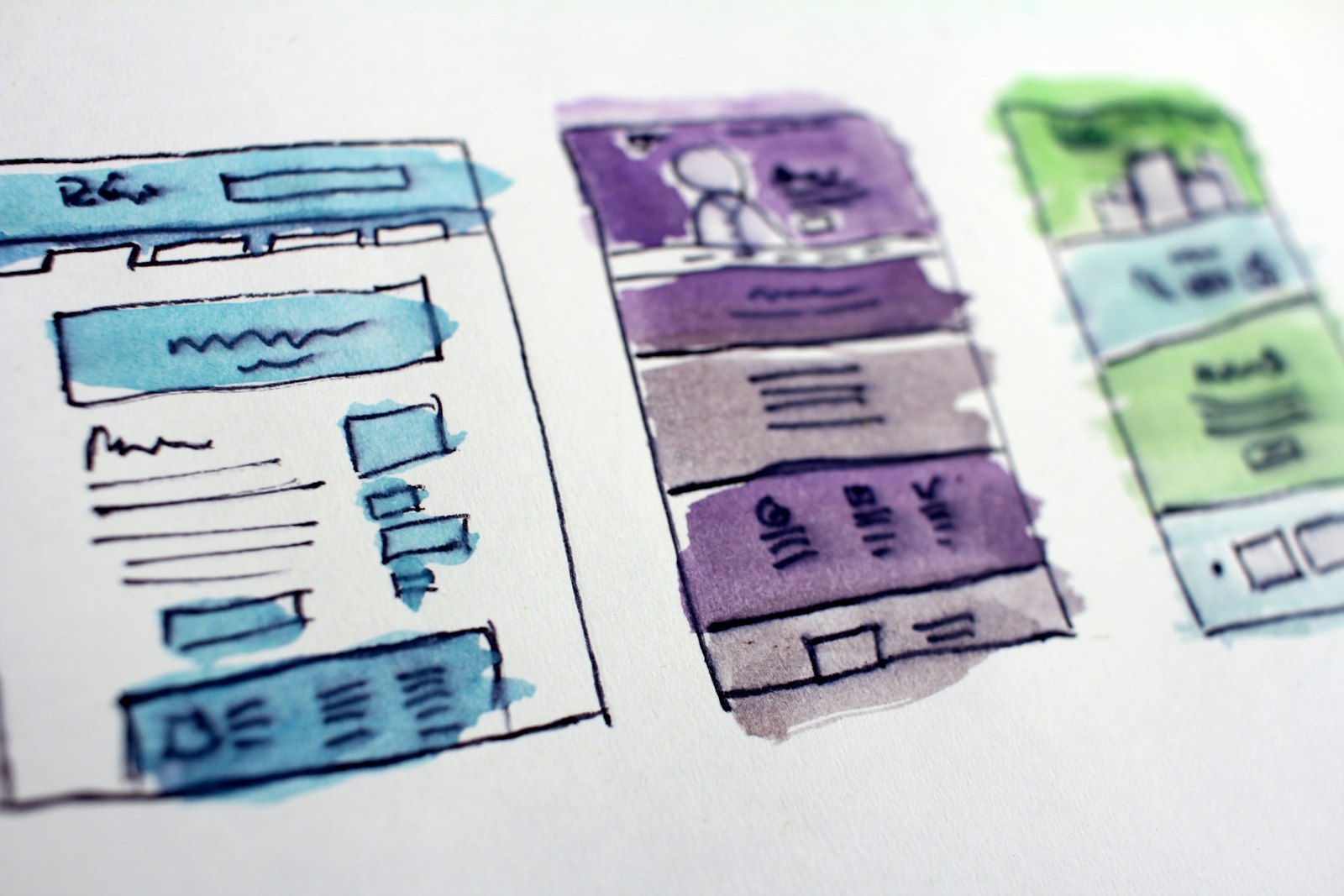
A carrier launch that can answer "where did this activation come from" — for every activation, not just the ones the pixel remembered. This is the reporting floor iExcel builds before the first paid dollar clears.
Creative performance analysis on a pre-launch brand is not a monthly report. It's a weekly rhythm — which ad concepts drove waitlist signups, which drove device-compatible visitors, which drove activations. The winners scaled, the losers got cut, and the shape of the winning creative fed the next batch of concepts.
Alongside it we ran heatmap and session-recording analysis on the highest-value pages — the waitlist landing, the device compatibility check, the checkout flow. Where were users hovering and not clicking? Where were they scrolling past a plan card without expanding it? Where was the eSIM activation flow stalling for anyone who wasn't already an eSIM native?
Every insight cycled into a page test. Copy tightening. CTA repositioning. Compatibility check moved above the fold. Referral prompt surfaced immediately post-activation instead of buried in an onboarding email. The dashboard tells you what happened. Heatmaps tell you why. Both fed the roadmap.
The read was specific: only 2.5% of visitors were completing the early-access form, but anyone who did was a genuinely qualified prospect — 74% of them advanced straight into the device-compatibility check, and 75% of anyone who reached payment completed checkout. The friction wasn't downstream. It was the form itself, which is why the recommendation was to pull device check onto the homepage and cut the form out of the path entirely.

The engine underneath the launch — the tools, wired the way a pre-launch consumer mobile brand actually needs them. Selection wasn't about the fanciest stack. It was about the stack a launch team can actually run under pressure.
Event-driven lifecycle. Waitlist nurture, beta onboarding, activation triggers, referral prompts — all fired against subscriber events, not calendar sends.
Operational lifecycle — activations, port-in status, plan updates, billing notices. Marketing hands off, the carrier system takes over on the same subscriber record.
Waitlist ranking, invite unlocks, referral tracking. Sitting on top of the Customer.io event layer so every share, invite, and conversion is measurable.
Source of truth for on-site behavior. Conversion events defined once, fired consistently — waitlist, device check, checkout, activation, referral share.
Every event lives in GTM. Every developer handoff includes the tag map. No conversion fires without a working measurement footprint behind it.
Full paid social stack — Meta for high-intent segments and lookalikes, TikTok for creator-forward top-of-funnel. Each ad set wired to a Customer.io conversion event.
Written naming convention, enforced across paid, referral, partner, and email. The difference between "we ran ads" and "we know which ads worked."
Applied to the waitlist landing, device check, and checkout flow. Where users hesitate, where they hover, where the funnel needs a copy edit instead of a redesign.
Consolidated view — waitlist growth, activation rate, paid contribution, referral loop velocity. Leadership reads it in five minutes, once a week.
If you're launching a consumer brand with a complex funnel — eSIM, fintech, connected hardware, subscription — and you're staring at a waitlist form with no downstream CRM, ad accounts firing against a fuzzy pixel, and a referral mechanic sketched on a whiteboard — the Noble engagement is the shape of what to do about it.
Platform selection before wiring. Event architecture before campaigns. Referral loop as an infrastructure decision, not a marketing gimmick. UTM governance as a first-week task, not a month-three cleanup. Attribution coverage as the floor, not the ceiling.
Most agencies sell the launch campaign. iExcel sells the launch engine — and stays through the phases that make the campaigns work when the calendar finally hits.
A lifecycle stack that talks to your operations. A referral loop wired to real events. Paid social scaffolded against the funnel. UTM governance that survives contact with a media buyer. Book a 15-minute sanity check on your setup — we'll tell you what's under-built and what to do about it.
Book a 15-min sanity check →