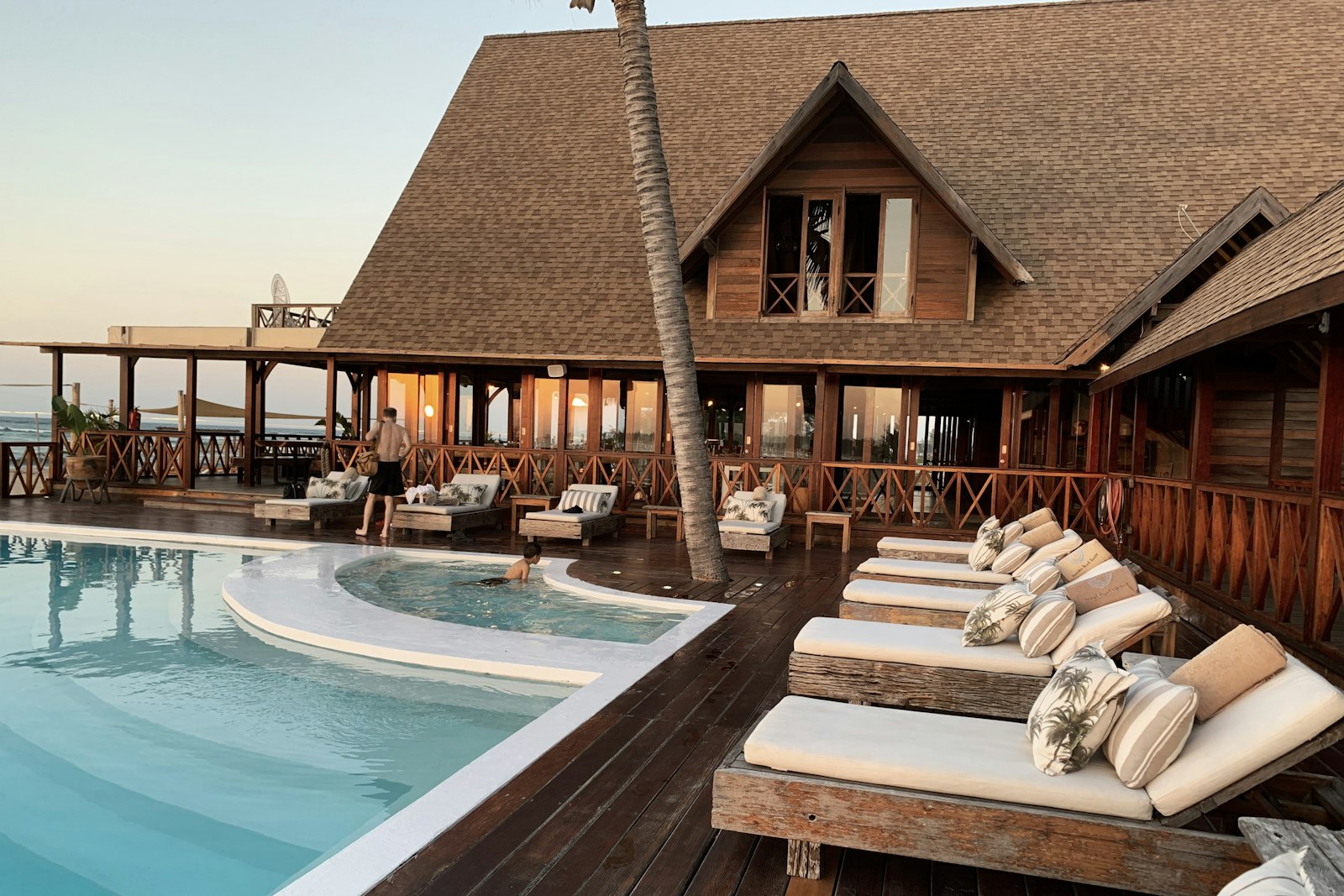
DigiValet sells in-room smart-tech to luxury hotel groups. iExcel built the B2B marketing OS underneath the brand — SEO foundation, paid engine, ABM audience layer, and HubSpot spine.
DigiValet's buyer isn't a shopper. It's a hotel owner, a group CIO, a design-led GM commissioning a five-star property twenty-four months out. The sales cycle is measured in seasons, not weeks. The buying committee runs deep. The reference list matters as much as the roadmap.
When iExcel came in, the marketing surface was brand-forward but operator-thin. The story was strong. The demand-gen infrastructure underneath it — SEO strategy, paid targeting, visitor identification, CRM discipline — hadn't yet been built to match.
So we built it. Not a campaign. Not a channel. A modern B2B marketing operating system — infrastructure the sales team could use daily to find, qualify, and pursue the right hotels.

Paid is the loud half. SEO is the compounding half — and on a luxury hotel-tech site selling into a small, procurement-driven market, the compounding has to be earned page by page.
We rebuilt the SEO plan from the query up. Keyword-mapped the site to the phrases hotel owners actually type. Rewrote metadata, H1s, and internal linking across 20 optimized pages. Categorized content for schema. Cleaned up crawl paths and hub-and-spoke structure. Then we watched the rankings climb.
By the read-out, the site had picked up 161 new keyword rankings — spread across product, use-case, and vertical-fit queries that put DigiValet in front of the right buyer at the moment of consideration. Case studies did the heaviest lifting: 92% of that new ranking gain traced back to optimized case-study pages, proof that customer proof — not raw keyword volume — was what search rewarded in this niche.

"The luxury hotel buyer doesn't scroll. They shortlist. Your marketing has to be there — findable, credible, measured — when the committee starts asking who's on the list."
Two paid channels, two jobs. Google Ads caught the moment a hotel owner actually searched — smart-room technology, in-room automation, hospitality IoT. We rebuilt keyword architecture around what was converting, tightened the negatives, and pushed click-through to 8.4% — roughly 3× the WordStream B2B search average. A defensible rate on a small, high-consideration audience.
LinkedIn Ads ran a different play: get in front of the committee. Group CIOs. Owner-side asset managers. Design-led GMs. We built the targeting on named-account seniority filters, ran creative that felt like DigiValet rather than a display banner, and landed a 0.9% CTR — comfortably above LinkedIn's published 0.44%–0.65% sponsored-content benchmark band on a luxury-tech niche audience.
Neither channel was chasing volume. Both were built for the buyer.
Every luxury hotel-tech deal starts anonymously — a research visit from a GM's laptop, a click from an owner-rep two years before the RFP. Most sites let those visits vanish. We wouldn't.
We layered RevMethods visitor identification onto the site and built an ABM audience program to match. The stack surfaced 40%+ of anonymous website traffic as identified companies — hotel groups, ownership entities, hospitality asset managers — turning a research visit into a named sales signal.
Then the human layer. Each week we manually curated the MQL-quality visits from the identified pool and handed them to sales with context: what they read, when, how long, what they came back for. Not a list. A shortlist.
Think of it as the in-room control panel — but for the marketing engine underneath the brand. Three tiles, three programs, one live status. This is what the sales team wakes up to.
"A single campaign closes a single quarter. An operating system compounds every quarter after it."
RevMethods identified more than four in ten anonymous website visitors as companies — hotel groups, ownership entities, hospitality asset managers. The pool the sales team pursues each day starts here, not from a cold list.
None of the above matters if the CRM doesn't get opened. So we built the HubSpot spine as a working instrument — CRM and Marketing Hub, wired together, actually used by the sales team daily.
Lifecycle stages defined. Lead status mapped. Attribution definitions locked. Reporting dashboards that a group CIO wouldn't roll their eyes at. Form-conversion audit and clean-up so blocked conversions started counting again. UTM governance so every paid click, LinkedIn touch, and organic visit landed inside the same story.
Around that spine sat the rest — CRO on the pages that mattered, content strategy for compounding SEO output, and reporting dashboards that showed the sales team what the marketing engine had done for them that week. Infrastructure the team leaned on — not a deck they filed.

Not a lane. The whole operating system — from SEO strategy and paid to CRM implementation and the reporting the sales team reads every morning.
Keyword mapping, metadata, H1s, schema, hub-and-spoke plan across 20 optimized pages. +161 new keyword rankings.
Restructure, keyword architecture, negatives, creative refresh. 8.4% CTR — roughly 3× the B2B search average.
Committee-targeted campaigns for group CIOs, GMs, owner-reps. 0.9% CTR — above the B2B sponsored-content benchmark.
Named-account strategy for luxury hotel groups. Layered onto paid, matched onto CRM.
40%+ of anonymous traffic resolved to companies. Weekly MQL-quality shortlist curated and handed to sales.
Lifecycle, lead status, attribution, workflows. The daily-used spine underneath the sales team.
Marketing-sourced pipeline visibility restored. Weekly readouts the sales team actually opens.
Form audit, blocked-conversion fixes, high-intent page tuning. Cleaner conversion counts, defensible reporting.
Editorial calendar tied to keyword strategy. Compounding SEO output on the queries the buyer types.
For B2B leaders selling into deliberate, committee-driven buyers — luxury hotels, regulated industries, industrial capex — the DigiValet engagement is the template.
It's the story of infrastructure over campaign. SEO plan before spend. Visitor identification before cold list. HubSpot spine before dashboard theater. Then — only then — a paid engine that produces defensible rates, and an ABM curation layer that hands the sales team a real shortlist every week.
Boutique team. Senior operators. One operating system, used daily.

iExcel builds the SEO foundation, the paid engine, the ABM curation layer, and the HubSpot spine your sales team actually uses.
Book a 15-min sanity check →